
πŸ“§ admin@yogaflexie.com πŸ• Mon–Sat 7:00 AM – 6:00 PM | Sun 8:00 AM – 12:00 PM πŸ“ž +91 8077183458
Blog 5 min read

Nurturing Motherhood: Postnatal Yoga for Daily Physical and Emotional Balance

admin
admin

Bringing a new life into the world is a transformative journey filled with immense joy, profound shifts, and noticeable physical changes. While much of the focus naturally shifts to the care and well-being of the newborn, a mother’s postpartum recovery requires equal care and attention. Transitioning from birth to daily balance is not about quickly returning to a pre-pregnancy physique; it is about honoring your body’s journey, healing gently, and reclaiming both physical strength and emotional equilibrium.

Postnatal yoga serves as a supportive bridge during this dynamic phase. Designed specifically for the unique needs of a recovering body, gentle movement and mindful breathing offer a safe framework to rebuild pelvic floor strength, relieve posture-related tension, and reduce daily postpartum stress.

The Physical and Emotional Benefits of Postnatal Yoga

The postpartum period places fresh demands on a mother’s body. Frequent lifting, nursing, feeding, and sleepless nights often manifest as tight shoulders, lower back fatigue, and muscle exhaustion. Integrating mindful yoga into your daily rhythm provides holistic support across several core areas:

  • Core and Pelvic Floor Restoration: Gentle, targeted movements help re-engage deep abdominal muscles and strengthen the pelvic floor safely after delivery.

  • Tension and Pain Relief: Opening the chest, shoulders, and hips eases the physical strain caused by carrying and nursing a baby.

  • Hormonal and Mood Balance: Mindful breathwork activates the parasympathetic nervous system, lowering cortisol levels and fostering emotional calm.

  • Enhanced Energy: Low-impact restorative practices revive energy reserves without placing excessive stress on healing joints and ligaments.
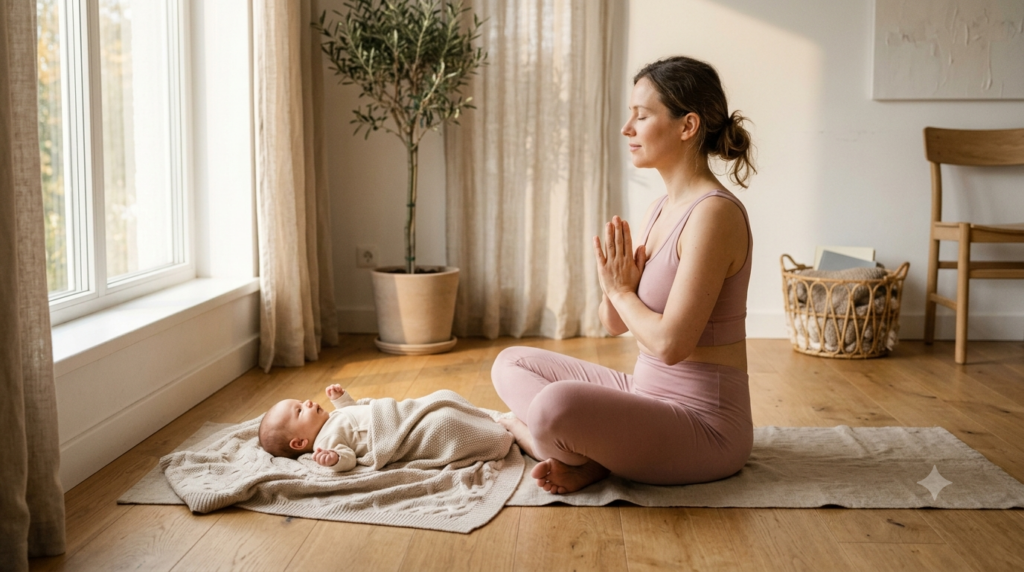
Gentle postpartum stretches

Safe Practices: When to Begin Your Gentle Journey

Safety and patience are paramount when embarking on any post-birth wellness routine. Every mother’s recovery timeline differs based on individual health, delivery type, and medical advice.

Listening to Your Body

As a general rule, many mothers receive clearance from their healthcare provider to begin gentle breathing exercises and light walking within the first few weeks after an uncomplicated vaginal birth. For those recovering from a C-section or complicated delivery, formal movement usually begins around 6 to 8 weeks postpartum. Always consult your OB-GYN or midwife before beginning new physical exercises.

Poses to Prioritize vs. Poses to Avoid

To ensure a smooth recovery, focus on movements that support healing while avoiding strenuous poses during the early months:

  • Recommended Practices: Pelvic tilts, gentle cat-cow flows, seated chest openers, legs-up-the-wall pose, and diaphragmatic deep breathing.

  • Practices to Avoid Early On: Deep backbends, aggressive core crunches, intense twists, full planks, and heavy jumping movements that place undue pressure on the pelvic floor.

A Daily 15-Minute Postnatal Yoga Routine

Consistency yields greater benefits than intensity. Incorporating a short 15-minute sequence into your day can drastically improve physical comfort and mental clarity. Below is an easy-to-follow daily template:

Time Frame Yoga Pose / Practice Primary Focus & Benefit
0 – 3 Mins Diaphragmatic Belly Breathing (Pranayama) Calms the nervous system, engages deep core, lowers cortisol
3 – 6 Mins Gentle Cat-Cow Flow (Marjaryasana-Bitilasana) Mobilizes the spine, relieves mid and lower back tension
6 – 9 Mins Supported Bridge Pose (Setu Bandha) Gently tones the pelvic floor and glutes without straining
9 – 12 Mins Seated Side Stretch & Chest Opener Releases neck, shoulder, and upper back tightness from feeding
12 – 15 Mins Legs-Up-The-Wall Pose (Viparita Karani) Promotes circulation, reduces leg swelling, encourages deep rest

Rebuilding Emotional Harmony Through Breathwork

Physical recovery is only half the postpartum equation. The hormonal fluctuations following birth, combined with sleep deprivation, can lead to feelings of overwhelm or emotional strain. Breathwork (Pranayama) serves as a port of calm during chaotic moments.

Simple practices like Box Breathing (inhaling for 4 counts, holding for 4, exhaling for 4, and holding for 4) or prolonged exhales help anchor your focus. Spending even three minutes breathing deeply while holding or feeding your baby creates a calming shared atmosphere and reinforces your emotional resilience.

Conclusion

Finding balance after childbirth is an ongoing process rather than a final destination. Postnatal yoga offers far more than physical conditioning; it provides a dedicated space for self-care, grace, and steady recovery. By prioritizing gentle daily movements, honoring your personal healing pace, and incorporating mindful breathwork, you cultivate the strength and calm needed to thrive throughout your motherhood journey.

Frequently Asked Questions (FAQs)

1. How soon after giving birth can I start postnatal yoga?

Ans: For light breathing exercises and basic pelvic floor re-engagement, you may start within the first few weeks if you feel comfortable and have no complications. However, formal postnatal yoga routines should generally wait until your 6-to-8-week postpartum medical checkup and clearance from your physician.

2. Can postnatal yoga help with Diastasis Recti (abdominal separation)?

Ans: Yes, targeted postnatal yoga focuses on deep core muscles like the transverse abdominis rather than superficial rectus abdominis muscles. Exercises such as pelvic tilts and controlled diaphragmatic breathing can assist in healing abdominal separation safely. Avoid traditional crunches or heavy planking until cleared.

3. What if I only have 5 or 10 minutes a day to practice?

Ans: Short, consistent sessions are highly effective. Just 5 to 10 minutes of gentle shoulder stretches, pelvic tilts, and deep breathing can ease physical tightness, reduce stress, and improve your overall daily balance significantly.

Visit our website: https://yogaflexie.com/

admin

Written by admin

Certified yoga instructor and wellness practitioner at YogaFlexie. Dedicated to translating mindful movement, breathwork, and somatic release into simple everyday practices.